
The Agile Manifesto: A Deep Dive into the PDF and its Impact (2026)
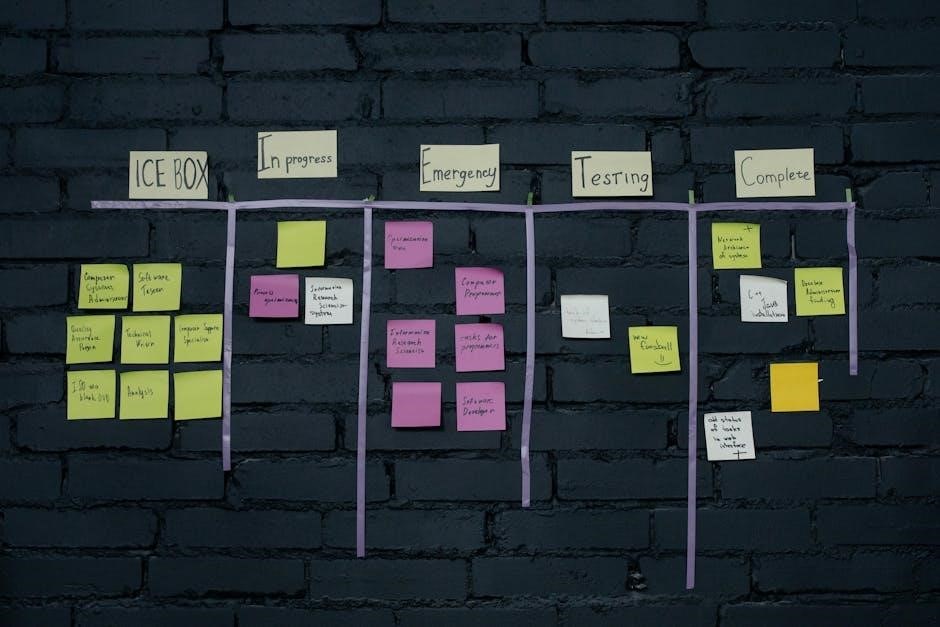
The core document, a manifesto for agile software development, champions adaptable practices, valuing individuals and collaboration over rigid processes and extensive documentation․
Historical Context of the Manifesto (Pre-2001)
Prior to 2001, software development was often dominated by heavyweight methodologies – plan-driven approaches like the Waterfall model․ These methods emphasized comprehensive documentation and strict adherence to initial plans, frequently leading to projects that were slow to deliver value and struggled to adapt to changing customer needs․
The late 1990s saw a growing dissatisfaction with these traditional approaches․ Practitioners began exploring alternative, more iterative and incremental methods, recognizing the need for greater flexibility and responsiveness․ Early influences included rapid application development (RAD), joint application development (JAD), and various object-oriented methodologies․ These approaches, while not fully “Agile” as defined later, laid the groundwork by prioritizing working software and customer involvement․
A key frustration was the disconnect between what developers built and what customers actually wanted, highlighting the need for closer collaboration and a focus on delivering tangible value early and often․
The Origins: The Winter 2001 Gathering
In February 2001, seventeen independent software developers convened at The Lodge at Snowbird in Utah, seeking common ground amidst a growing wave of lightweight development methodologies․ These individuals, representing various approaches like Extreme Programming (XP), Scrum, and Dynamic Systems Development Method (DSDM), recognized a shared philosophy but lacked a unified voice․
Driven by a desire to articulate their core values, they engaged in intense discussions over several days․ The goal wasn’t to create a new methodology, but rather to establish a common understanding of what truly mattered in software development․ This collaborative effort culminated in the drafting of the Agile Manifesto, a concise statement of principles designed to guide a new era of software creation․
The Four Values of the Agile Manifesto
The Agile Manifesto centers around four core values, prioritizing adaptability and human interaction․ First, Individuals and Interactions are valued over rigid processes and tools, emphasizing teamwork and communication․ Second, Working Software is prioritized over comprehensive documentation, focusing on delivering functional value․ Third, Customer Collaboration takes precedence over strict contract negotiation, fostering continuous feedback and alignment․

Finally, Responding to Change is favored over rigidly following a plan, acknowledging the inherent uncertainty in software development․ These values aren’t rules, but guiding principles intended to shape a more flexible and responsive approach to building software, ultimately delivering greater customer satisfaction․
Individuals and Interactions over Processes and Tools
This value doesn’t dismiss processes and tools entirely, but emphasizes their secondary importance․ Agile prioritizes the skills, knowledge, and motivation of individuals, and the quality of their interactions․ Effective communication, collaboration, and self-organization within teams are considered more crucial than strict adherence to predefined procedures․
While tools can aid development, they shouldn’t hinder it․ The focus shifts from doing things right (process-focused) to doing the right things (outcome-focused), driven by empowered individuals․ A highly skilled team communicating effectively will consistently outperform a team rigidly bound by inefficient processes, regardless of the tools used․
Working Software over Comprehensive Documentation
Agile values demonstrable progress – functional software – as the primary measure of success․ While documentation isn’t disregarded, it’s considered a supporting element, not the core deliverable․ Excessive documentation can become outdated quickly and distract from actual development․
The emphasis is on creating software that meets customer needs, with documentation serving to clarify and support that software․ Agile favors “just enough” documentation – concise, relevant, and readily accessible․ This approach reduces wasted effort and ensures the team remains focused on delivering valuable, working software iteratively and frequently․
Customer Collaboration over Contract Negotiation
Agile prioritizes ongoing engagement with the customer throughout the development lifecycle, fostering a partnership built on trust and shared understanding․ Traditional contract negotiation often defines requirements upfront, leading to rigidity and potential misalignment with evolving needs․
Instead, Agile encourages continuous feedback and adaptation, allowing the software to evolve in response to customer insights․ This collaborative approach ensures the final product truly delivers value and meets the customer’s expectations․ It’s about building a relationship, not simply fulfilling a contract, resulting in higher satisfaction and better outcomes․
Responding to Change over Following a Plan
The Agile Manifesto acknowledges that change is inevitable in software development․ Rigid adherence to an initial plan can quickly become obsolete as market conditions and customer needs shift․ Agile embraces flexibility, prioritizing the ability to adapt and incorporate new information throughout the project․

This doesn’t mean abandoning planning altogether, but rather viewing it as a dynamic process․ Teams should be prepared to reassess priorities, adjust timelines, and modify features based on feedback and emerging insights․ Responding to change effectively allows for delivering a more relevant and valuable product․
The Twelve Principles Behind the Agile Manifesto
Expanding upon the four core values, the twelve principles offer detailed guidance for implementing agile methodologies․ These principles emphasize continuous delivery of valuable software, welcoming changing requirements, and frequent releases in short timeframes․ Collaboration between business stakeholders and developers is paramount, fostering shared understanding and alignment․
Furthermore, the principles advocate for motivated teams, efficient communication, and using working software as the primary progress metric․ Sustainable development pace, technical excellence, simplicity, self-organization, and regular reflection complete this foundational set, guiding teams toward adaptability and customer satisfaction․
Early and Continuous Delivery of Valuable Software
This principle prioritizes delivering functional software frequently, shortening the development cycle and maximizing value realization for stakeholders․ Instead of lengthy, phased releases, agile teams aim for incremental delivery, allowing for faster feedback and adaptation․ This approach minimizes risk and ensures the product evolves to meet changing customer needs effectively․
Continuous delivery isn’t merely about speed; it’s about consistently providing valuable features․ Regular releases enable quicker validation of assumptions and a more responsive approach to market demands, ultimately leading to a more successful product and increased customer satisfaction․
Welcome Changing Requirements, Even Late in Development
Agile methodologies embrace change as an inherent part of the software development process, recognizing that initial plans are rarely perfect․ Unlike traditional approaches that resist alterations, agile teams actively welcome evolving requirements, even late in the development cycle․ This adaptability stems from the belief that responding to change delivers greater value to the customer․
This principle doesn’t imply reckless alteration, but rather a structured process for incorporating feedback and adjusting priorities․ It necessitates close collaboration with stakeholders and a flexible architecture capable of accommodating modifications efficiently, ultimately leading to a more relevant and successful product․
Frequent Delivery of Working Software (Short Timeframes)
A cornerstone of the Agile Manifesto is the emphasis on delivering working software frequently, ideally within short timeframes – often referred to as iterations or sprints․ This contrasts sharply with traditional “waterfall” models that prioritize lengthy development cycles culminating in a single, large release․ Frequent deliveries provide tangible value to stakeholders early and often․
These short cycles enable continuous feedback, allowing teams to validate assumptions, adapt to changing needs, and mitigate risks proactively․ Each delivery represents a functional increment of the product, fostering transparency and building confidence throughout the development journey, ultimately ensuring alignment with customer expectations․
Close, Daily Collaboration Between Business People and Developers
The Agile Manifesto stresses the critical importance of daily collaboration between business stakeholders and the development team․ This isn’t merely about occasional meetings; it’s about fostering a continuous dialogue throughout the project lifecycle․ Breaking down silos and encouraging direct communication ensures everyone shares a common understanding of requirements and priorities․
This close partnership minimizes misunderstandings, reduces rework, and accelerates decision-making․ Business representatives provide immediate feedback, while developers gain valuable insights into the business context, leading to solutions that truly address customer needs and deliver maximum value․ It’s a shift from contract negotiation to shared ownership․
Motivated Individuals and Trusting Them
The Agile Manifesto champions building projects around motivated individuals, providing them with the environment and support they need to excel․ This principle emphasizes the power of self-organization and intrinsic motivation over strict control and micromanagement․ Trust is paramount; teams perform best when empowered to make decisions and take ownership of their work․
Creating a culture of trust fosters innovation, encourages experimentation, and boosts overall team morale․ Agile recognizes that individuals are the driving force behind successful projects, and investing in their well-being and professional growth yields significant returns․ It’s about unleashing potential, not dictating processes․
Most Efficient and Effective Method of Communication
The Agile Manifesto prioritizes face-to-face conversation as the most efficient and effective method of communication․ While documentation is valuable, it shouldn’t overshadow direct interaction between team members and stakeholders․ Frequent, informal discussions facilitate rapid knowledge sharing, clarify ambiguities, and build stronger relationships․
This principle acknowledges that nuanced information is often lost in translation through written channels․ Agile teams embrace open dialogue, daily stand-ups, and collaborative workshops to ensure everyone remains aligned and informed․ Prioritizing direct communication minimizes misunderstandings and accelerates decision-making, ultimately leading to better outcomes․
Working Software is the Primary Measure of Progress
Unlike traditional methodologies focused on extensive documentation and detailed plans, the Agile Manifesto emphasizes demonstrable value․ Progress isn’t measured by completed paperwork or milestones achieved on a Gantt chart, but by functional software delivered to the end-user․ This shift in perspective prioritizes tangible results and continuous improvement․
Delivering working software frequently allows for early feedback, validation of assumptions, and adaptation to changing requirements․ It provides concrete evidence of progress, fostering transparency and building trust with stakeholders․ This principle underscores the importance of a practical, iterative approach to software development, where value delivery is paramount․
Sustainable Development Pace
The Agile Manifesto advocates for a development pace that can be maintained indefinitely․ This isn’t about working faster, but about working smarter and avoiding burnout․ Constant, unsustainable sprints ultimately lead to decreased quality, increased errors, and demotivated teams․ A consistent rhythm allows for better planning, more thoughtful execution, and a healthier work-life balance․

Prioritizing a sustainable pace acknowledges the human element of software development․ It recognizes that developers are not machines and require time for rest, reflection, and continuous learning․ This principle fosters a long-term perspective, ensuring the team can consistently deliver value over time․
Continuous Attention to Technical Excellence
The Agile Manifesto emphasizes that technical excellence isn’t a one-time achievement, but an ongoing pursuit․ Simple design, clean code, and robust testing are crucial for maintaining agility and reducing technical debt․ Neglecting these aspects leads to brittle systems, increased maintenance costs, and slower development cycles․
Investing in technical excellence empowers teams to adapt quickly to changing requirements and deliver high-quality software consistently․ It’s about building a solid foundation that supports future innovation and minimizes the risk of costly rework․ This principle isn’t just about code; it encompasses all aspects of technical practice․
Simplicity – The Art of Maximizing the Amount of Work Not Done
A core tenet of the Agile Manifesto is prioritizing simplicity․ This isn’t about delivering a minimal viable product, but about consciously eliminating unnecessary features, complexity, and documentation․ The goal is to focus solely on delivering value to the customer, avoiding wasted effort on things that don’t contribute to that value․

Effective teams constantly question the necessity of each task, striving to achieve the desired outcome with the least amount of work․ This principle fosters innovation, reduces risk, and accelerates delivery․ It requires discipline and a clear understanding of customer needs, ensuring every effort is purposeful and impactful․

Self-Organizing Teams
The Agile Manifesto champions self-organizing teams, empowering individuals to collectively determine the best way to achieve their goals․ This contrasts sharply with traditional hierarchical structures where direction is dictated from above․ Agile teams possess the autonomy to decide how to tackle tasks, allocate responsibilities, and manage their workflow․
This approach fosters ownership, accountability, and innovation․ It requires trust, collaboration, and a shared understanding of the project’s objectives․ Self-organization isn’t about a lack of leadership, but rather a shift towards distributed leadership, where expertise emerges naturally within the team․
Regular Reflection and Adjustment
The Agile Manifesto emphasizes the importance of continuous improvement through regular reflection and adaptation․ Teams are encouraged to periodically assess their processes, identify areas for enhancement, and adjust their approach accordingly․ This isn’t a one-time event, but an ongoing cycle of inspection and adaptation․
Retrospectives, a common practice in Agile frameworks, provide a dedicated space for teams to openly discuss what went well, what could be improved, and what actions to take․ This iterative process ensures that the team is constantly learning and evolving, maximizing its effectiveness and delivering greater value․
Common Misinterpretations and “Agile Fallacies”
A frequent error involves equating Agile with simply adopting specific frameworks like Scrum or Kanban, overlooking the underlying values and principles of the Manifesto․ Many organizations mistakenly believe Agile is solely about speed, neglecting the focus on delivering valuable software and fostering collaboration․
Another fallacy is viewing Agile as a replacement for all existing project management methodologies․ It’s often incorrectly implemented as forcing teams into rigid processes, like renaming roles without cultural shifts․ True Agile transformation requires a fundamental change in mindset, not just tactical adjustments, and a genuine commitment to customer focus․
The Role of HR in Agile Adoption (and Transformations)
Traditionally, HR’s involvement in Agile has been limited, but increasingly, its role is becoming critical, particularly in transformations․ While unusual for HR to lead the effort, they can facilitate cultural shifts, focusing on employee empowerment and self-organizing teams․

HR can redefine performance metrics to align with Agile values, emphasizing collaboration and value delivery over individual task completion․ They also play a vital role in training and development, fostering a growth mindset and supporting the transition to new roles like Scrum Masters and Product Owners․ Successful Agile adoption necessitates HR’s active participation․
Agile Adoption vs․ Agile Transformation: A Critical Distinction
Many organizations mistakenly equate Agile adoption with Agile transformation, a common pitfall․ Adoption focuses on implementing Agile practices – Scrum, Kanban, user stories – primarily within delivery teams․ It’s a tactical shift, improving software development processes․
Transformation, however, is a strategic overhaul of the entire organization’s culture and structure․ It prioritizes customer focus, rapid value delivery, and continuous validation․ True transformation requires a fundamental shift in mindset, not just adopting new tools․ Failing to recognize this distinction leads to superficial changes and unrealized benefits․
The Rise of Scrum and Other Frameworks (Scrum, DSDM, XP, etc․)
Following the Manifesto, several frameworks emerged, attempting to embody its principles․ Scrum gained immense popularity, often presented as the Agile solution, sometimes overshadowing the core values․ Other methodologies like DSDM, Extreme Programming (XP), and Dynamic Systems Development Method (DAD/DAF) also contributed․
It’s crucial to understand that these frameworks aren’t Agile themselves; they are implementations inspired by Agile․ Agile represents the shared philosophies – adaptability, collaboration, customer focus – while each framework offers a specific approach․ Blindly following a framework without understanding the underlying principles can hinder true agility․

The Manifesto’s Relationship to Existing Methodologies
The Agile Manifesto didn’t appear in a vacuum; it arose from dissatisfaction with prevalent, often rigid, methodologies like Waterfall․ It wasn’t intended to replace all existing approaches entirely, but rather to offer a contrasting set of values for software development․
Many pre-existing iterative and incremental methods shared common ground with the Manifesto’s principles․ Agile synthesized these ideas, providing a concise statement of what truly mattered in responding to change and delivering value; The Manifesto acknowledged the value in existing practices, advocating for adaptation and improvement rather than wholesale rejection․