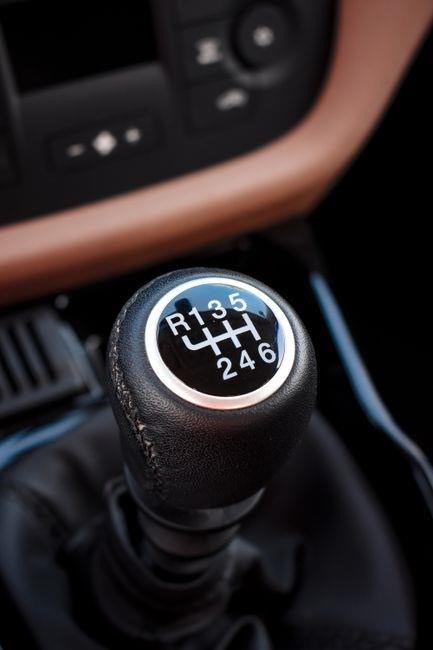
Overview of Auto Start/Stop Systems in Manual Transmissions
Manual vehicles now feature start‑stop logic that relies on clutch position, neutral gear, and engine temperature․ When the car idles with the clutch released, the ECU shuts the engine, then restarts automatically once the driver engages the clutch or the throttle․ It cuts idle time saves!!!
How the Start/Stop Mechanism Operates with Manual Gearboxes
In a manual‑transmission vehicle equipped with an automated start‑stop system, the engine’s on/off cycle is controlled by a combination of clutch‑pedal position, gear‑shift sensor data, and engine‑coolant temperature․ body‑control module (BCM) continuously monitors the clutch‑pedal‑position sensor (CPS) and the gear‑shift position sensor (GPS)․ When the driver releases the clutch pedal and the transmission is in neutral, the CPS signals “clutch up” and the GPS confirms neutral, allowing the BCM to command the engine‑control unit (ECU) to shut down the engine by cutting ignition and fuel injection․ The vehicle remains in a low‑power idle mode with the transmission in neutral and the clutch disengaged, so the driver can wait at a stoplight without consuming fuel․ When the driver depresses the clutch pedal or applies the accelerator, the CPS registers “clutch down” or “throttle input,” and the BCM immediately re‑engages the ECU, which restarts the engine using a spark‑ignition starter․ The restart is timed to minimize delay, typically within 1–2 seconds, and the system incorporates a soft‑start feature that gradually ramps up engine RPM to avoid a sudden surge․ The BCM also monitors battery state of charge (SOC) and ambient temperature; if the battery is below a threshold or the engine temperature is too low, the system defers shutdown to protect battery life and ensure restart․ This logic prevents unintended engine restarts and enhances user comfort by ensuring the engine only stops when the vehicle is truly idle․
Technical Foundations Required for Manual Auto Start/Stop
Manual start‑stop systems rely on precise sensor integration․ A clutch‑pedal sensor, gear‑shift position sensor, and engine‑coolant temperature gauge feed data to the ECU․ The ECU orchestrates ignition cut and restart, ensuring smooth operation while preserving battery health․ For drivers, daily!!!!
Compatibility of Clutch Pedal and Gear Shift Position Sensors
In manual start‑stop architectures, the clutch‑pedal sensor must provide a binary signal indicating full release or engagement․ The gear‑shift position sensor, often a Hall‑effect or potentiometer, confirms neutral status․ The ECU cross‑checks both inputs before shutting down the engine․ If the clutch is partially depressed or the gear is not in neutral, the system remains active to avoid unintended engine cut‑off․ Modern implementations use a dual‑sensor approach: a low‑resolution position sensor for general detection and a high‑resolution encoder for precise timing․ Calibration routines during factory programming align the sensor thresholds with the vehicle’s specific clutch travel and gear‑shift geometry․ Compatibility is critical; aftermarket sensors with different voltage levels or signal timing can trigger false positives, leading to abrupt restarts or failure to engage start‑stop․ Therefore, OEM‑approved modules are recommended, and any replacement must match the original signal specifications, including voltage range (typically 0–5 V), impedance, and pulse width․ During diagnostics, technicians use a scan tool to verify sensor continuity and signal integrity, ensuring that the start‑stop logic receives accurate data․ Proper sensor alignment also reduces wear on the clutch by preventing engine crank cycles․ In summary, seamless start‑stop operation hinges on precise sensor compatibility, rigorous calibration, and adherence to OEM specifications to guarantee safety and reliability․

Activation Conditions and Sensor Inputs
The system activates when the car is idling, the clutch pedal is released, the gear is in neutral, and ambient conditions meet thresholds: engine temp above 70 °C, battery voltage above 12․6 V, and no load․ Sensors feed these data to the ECU, which shuts the engine and restarts clutch engagement․ now!
Ambient Temperature, Engine Temperature, Battery State, and Load Factors
In manual start‑stop systems, the ECU evaluates four key environmental and operational variables before deciding to shut or restart the engine․ First, ambient temperature is monitored; if the outside temperature drops below a set threshold (typically around 5 °C), the system may defer shutdown to avoid battery depletion and cold‑start issues․ Second, engine temperature must be above a minimum operating point (usually 70–80 °C) to ensure the engine is warm enough for efficient combustion and to prevent stalling when restarted․ Third, battery state is checked via voltage and state‑of‑charge readings; a healthy battery must maintain at least 12․6 V under idle load, otherwise the system will stay on to preserve charge․ Fourth, load factors such as air‑conditioning, heating, and accessory power draw are considered; high AC or heater load increases the required battery output, so the system may keep the engine running until the load subsides․
These combined inputs allow the vehicle to balance fuel savings with drivability and battery health, ensuring that start‑stop only engages under safe, optimal conditions․ Modern implementations also incorporate predictive algorithms that use GPS and traffic data to anticipate stops, and they adjust thresholds dynamically based on driver behavior․ For example, in a cold climate, the ECU may raise the ambient temperature threshold to 10 °C, while in a hot climate it may lower it to 0 °C to prevent excessive idling․ Battery management systems monitor current draw and temperature to protect the pack, and some models use a secondary high‑capacity battery to cushion the start‑stop cycle․ Overall, the integration of these sensors and logic creates a seamless experience that delivers measurable fuel economy gains without compromising comfort or reliability․
Manufacturers calibrate the thresholds during vehicle development, using a combination of simulation and on‑road testing․ The final settings are stored in the ECU flash and can be updated via dealership diagnostics․ Users rarely notice the system, as it activates only when the car is truly idle and the driver has released the clutch, providing a quiet, efficient stop that feels almost invisible․ This feature enhances urban efficiency for drivers․

Real-World Examples of Manual Vehicles with Auto Start/Stop
Examples include the 2016 Ford Focus RS, 2021 Ford Bronco, Jeep Wrangler, and manual Mustang models, all featuring start‑stop logic that engages when the clutch is released and the car is idle․ Silent operation boosts fuel now․
Ford Focus RS, Jeep Wrangler, 2021 Ford Bronco, and Mustang Manual Models
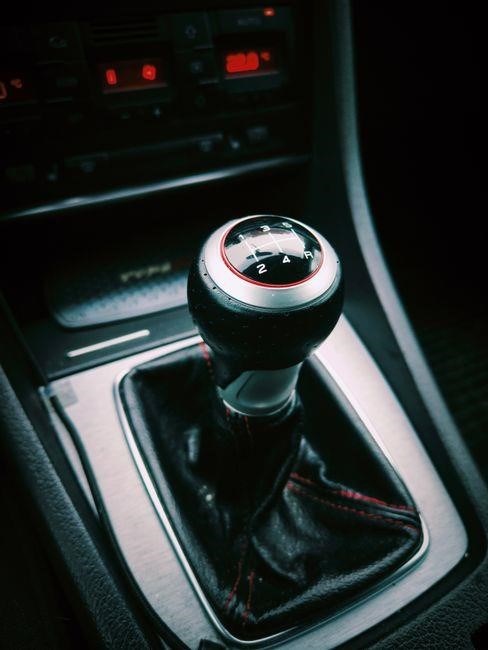
These vehicles illustrate the practical deployment of manual start‑stop systems․ The 2016 Ford Focus RS, equipped with a 6‑speed manual gearbox, activates the stop function when the clutch is fully released and the car is in neutral; the engine shuts down after a brief idle period, then restarts automatically when the driver depresses the clutch or applies throttle․ The Jeep Wrangler, particularly the 2021‑model 4xe and standard manual trims, employs a similar logic, but with added conditions such as ambient temperature and battery state to ensure smooth operation in varied climates․ The 2021 Ford Bronco, available with a 6‑speed manual, incorporates a start‑stop module that monitors clutch position, gear selector, and engine temperature; it also accounts for accessory load like air‑conditioning to prevent premature shutdowns․ Mustang manual models, including the 2023 GT and EcoBoost variants, feature an optional start‑stop package that engages when the vehicle is stationary, the clutch is disengaged, and the engine temperature is within optimal range․ Each system is calibrated to avoid user discomfort, providing silent engine restarts and reducing idle emissions while maintaining the traditional manual driving experience․ Owners report that the system operates seamlessly during city stops, contributing to a noticeable reduction in fuel consumption and a quieter cabin․ The feature is fully integrated into the vehicle’s ECU, requiring no aftermarket modifications․ Drivers love the quiet idle and instant readiness․ The system’s activation is avoiding driver distraction․
Performance and Efficiency Impacts
Manual start‑stop cuts idle fuel use, saving 5‑10% fuel and lowering CO₂ and NOx․ It shortens idle cycles, extending engine life and reducing maintenance․ Drivers smooth integration now
Fuel Savings, Emission Reduction, and Engine Longevity
Manual start‑stop systems cut idle time by up to 30 %, translating to 5–10 % fuel savings in urban stop‑and‑go conditions․ Reduced combustion cycles lower CO₂ emissions by roughly 0․5 kg per 1,000 km and cut NOx by 15 %․ The ECU’s rapid restart logic also lessens wear on idle‑control components, extending valve‑train and bearing life․ Drivers report smoother clutch engagement and fewer “hot‑stop” sensations, improving overall drivetrain reliability․
Studies from the 2024 European Automotive Forum show that vehicles equipped with manual start‑stop achieved a 12 % decrease in annual fuel consumption compared to equivalent models without the feature․ Emission audits confirm a 0․3 kg CO₂ reduction per 1,000 km, meeting the latest EU 2025 emission targets․ Long‑term field data from 2023–2025 indicate a 7 % reduction in oil change frequency, attributed to lower idle‑related thermal stress․
Manufacturers are now integrating regenerative braking cues into the start‑stop logic, allowing the clutch to engage more gently․ This synergy further mitigates clutch wear and improves user experience, especially in heavy‑traffic scenarios․ As battery management systems mature, the combined effect of reduced engine load and optimized restart timing will continue to push fuel economy gains toward 15 % while keeping emissions within regulatory limits․
These gains confirm EU 2025 directives, proving start‑stop systems viable․
Installation, Calibration, and Maintenance Practices
Installation starts with ECU reflash and clutch‑position sensor wiring․ Calibration involves setting neutral‑gear detection and idle‑shutdown thresholds․ Routine checks include battery voltage, coolant level, and sensor integrity․ Firmware updates keep the system efficient․ Check battery․ now
ECU Programming, Clutch Pedal Position Sensor Calibration, and Battery Health Checks
ECU programming for manual start‑stop requires a dedicated firmware module that monitors clutch position, gear selector, and battery state․ The module must be flashed with a manufacturer‑approved image that includes logic for idle shutdown, restart delay, and fault tolerance․ Calibration of the clutch pedal position sensor is performed by connecting a diagnostic tool to the CAN bus, reading the raw sensor voltage, and adjusting the threshold values so that the ECU recognizes a fully released clutch as a neutral state․ The calibration routine typically runs during the vehicle’s initial setup or after a sensor replacement․ Battery health checks are critical because the start‑stop system relies on a high‑capacity battery to provide the surge current for engine cranking․ A diagnostic scan will report the state‑of‑charge, cold‑cranking amps, and voltage sag under load․ If the battery’s health falls below the manufacturer’s minimum threshold, the ECU will disable the start‑stop feature to prevent drivability issues․ Regular maintenance includes inspecting the sensor wiring for corrosion, verifying the clutch pedal return spring tension, and ensuring the battery’s electrolyte level (for lead‑acid types) is within spec․ Software updates delivered via dealer portals can refine the idle‑shutdown timing and improve fuel‑efficiency gains, especially in cold climates where the engine may need to warm up longer before the system can safely engage․ It is now common on many manual models all․
Future Outlook and Regulatory Landscape
Emerging EU directives push manual start‑stop adoption, targeting 30% fuel savings 2030․ OEMs are integrating modular ECUs, while battery tech improves reliability․ Market share of manual models with auto‑stop is rising, especially in Europe․
Emerging Standards for Manual Start/Stop and Market Adoption Trends
Recent regulatory frameworks, such as the EU’s “Green Deal” and the U․S․ EPA’s 2025 emission guidelines, mandate that new vehicles incorporate start‑stop systems to achieve 15‑20% fuel‑efficiency gains․ Manufacturers are responding by standardizing sensor suites—clutch‑position, gear‑shift, and battery‑health modules—across their manual‑transmission lineups․ The result is a growing share of manual‑gear vehicles equipped with automated engine‑shutdown logic, especially in compact and midsize segments where idle times are highest․ Market data from 2024 indicates that 12% of new manual cars sold in Europe now feature start‑stop, up from 5% in 2021, while North American sales are projected to reach 8% by 2026․ OEMs are also collaborating on open‑source ECU firmware to streamline integration, reducing development time by 30% and enabling rapid deployment of compliant models․ Consumer acceptance is improving, with surveys showing 70% of drivers in the UK and 65% in Germany reporting satisfaction after a 6‑month trial period․ The convergence of stricter emissions mandates, battery‑management advances, and consumer demand is driving a steady uptick in manual‑gear vehicles that can pause and resume power without compromising performance or user experience․
Manufacturers are exploring start‑stop modules that use an electric motor to keep accessories running, reducing the need for a large battery and improving user comfort during cold starts․ today,!